

Star Media Development Centre is a leading force in using innovative communication to drive a sense of social change. We define videography and photography as elements of capturing visuals and life in film.
However, videography entails capturing a series of moving images that one can watch, while photography is all about still images. Both videography and photography can be used as communication, data collection, and evaluation tools. They help triangulate information collected through interviews, surveys, and much more.
With the evolution of communication, organizations increasingly depend on videography and photography to promote their charities, services, and causes. SMDC delves into why videography and photography are important for nonprofit organizations, essential ethical considerations, and legal issues.
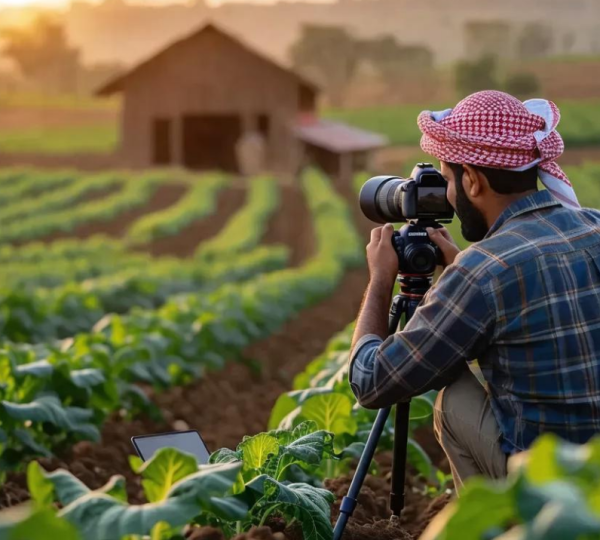
Videography and Photography at Star Media Development Centre
Importance of Videography and Photography for Community Organizations
The use of videography and photography has several positive effects on nonprofit organizations. Here are SMDC’s standout benefits of using videography and photography in community organizations:
1. Making an Impact through Visual Storytelling
Videography and photography are essential forms of visual storytelling. They transcend language barriers and connect with audiences psychologically and emotionally.
Community organizations use videography and photography to depict successes, challenges, and different stories behind their initiatives. Whether it is the faces of community members recuperating after a disaster or videos of small kids receiving water, these visuals convey potent messages that words alone cannot.
2. Building Empathy and Raising Awareness
Both videos and photographs can reveal distant challenges. They help showcase real-life scenarios such as environmental degradation, health issues, human rights violations, and poverty, which community organizations can raise awareness about. The visuals not only inform but also help build empathy, which encourages viewers to show care and support the causes revealed.
3. Seeking Support and Fundraising
Impactful and high-quality videos and photographs help spearhead fundraising campaigns. Supporters, sympathizers, and donors will likely donate when they see their contributions’ impact.
Visuals that capture nonprofit organization projects like improving education programs, better living standards, and successful health patterns will be integral in making fundraising more successful. Testimonials, in terms of visuals, act as tangible evidence for nonprofits.
Improving Credibility and Transparency
The public, partners, and donors are always interested in transparent organizations. Videography and photography act as visual proof of nonprofit organizations’ activities and achievements, helping to build credibility and transparency.
Sharing videos and photographs regularly enables organizations to demonstrate their commitment and efforts to their agenda. This helps in portraying them as effective, honest, and dedicated NGOs.
Essential Ethical Considerations Organizations Need to Consider
The people who commission videography and photography of a marginalized population to promote an NGO’s objective possess great responsibility. They must consider critical ethical practices in the videography and photography planning, creation, and distribution chain.
Whenever a nonprofit plans a visual campaign, it needs to examine the reasons behind developing the videos and photographs and their impact. NGOs must create a comprehensive visual, as it helps prevent misconceptions and preserve dignity. However, taking advantage of visuals that elicit emotion is discouraged since they are considered to exploit subjects’ conditions to generate sympathy.
Apart from violating human rights and privacy, such visuals are considered harmful because they depict the idea that the less fortunate are not in a position to help themselves. They are detrimental because they dishonor, degrade, and rob individuals of dignity.
Although it is important to showcase the different challenges the population faces, it is also essential to tell stories in a manner that will not undermine the subjects.
Legal Issues that Come with Visuals in Organizations
Legal issues are always apparent when videos and photographs are created or used in nations with visual legal precedents. However, visuals are pretty murky in countries where law and order are not fully adhered to.
Although the videos and photographs developed by organizations are not for commercial purposes, precautions should be considered. Whenever an organization develops visuals, they should obtain model releases whenever possible.
This is even more important if the individual in the visual can experience negative consequences from the video or picture created. If the subject cannot view the release or pend his or her signature, an interpreter should be used to explain the purpose of the visual and what it entails. The organization should ensure the proper releases are in place whenever stock images are used.
How Organizations Can Maximize Videography and Photography Results
Any nonprofit organization must invest in the right videography and photography professionals and equipment for the best results. However, SMDC offers three essential tips for any organization to reap great results in its videography and photography venture.
- Planning: Before any visual creation mission, the responsible department must plan. In most cases, this is outlined in the contracts to ensure that every party thinks in the same direction.
- Clear Vision: If some shots must be made, ensure they are revealed when planning the project.
- Maintaining Relationships: Having a strong relationship in place will ensure your partners have trust in you.
Conclusion
Videography and photography should never be considered a luxury but a necessity for any nonprofit organization in Eastern Africa. Any well-crafted visual produced by Star Media Development Centre can transform communication, engagement, and inspiration. Most Eastern African nonprofit organizations can connect with their audience, showcasing their impact and navigating communities’ challenges.
With the digital landscape ever-evolving, nonprofit organizations need to embrace videography and photography as essential tools that will help them amplify their voices. It does not matter if it is through highlighting achievements, storytelling, or addressing issues; videos and photographs play a vital role in shaping non-profit narratives. Extensive investment in visual production will help enhance community organizations’ visibility and leave a long-term impact on the minds and hearts of people capable of making a difference.
