

At the Star Media Development Centre (SMDC), media production is simplified into actualizing real-life stories by converting them into interesting films and clear audio. This entails creating and delivering multimedia content for different media platforms like websites, radio, social media, television, and film. It involves all content creation stages and combines technical expertise, artistic creativity, and storytelling to captivate and engage the audience.
Since its inception, SMDC has served small and midsize companies, international firms, and nonprofit organizations. Our company has everything required to execute any digital media production requirement, from concept development to delivery.
8 Top Media Production Technical Essentials
Media has undoubtedly grown to be an essential tool for communication and engagement. From explainer videos for nonprofit organizations to promotional videos in humanitarian aid, businesses, and nonprofits are using different media types to connect more effectively with their audiences.
At SMDC, our main essentials in media production include the following:
1. Editing
Star Media Development Centre editors play an integral role in assembling raw footage and converting it into engaging stories. This is the basis of editing that should be checked without missing key details.
Our editors have immense experience in arranging sequences, choosing shots, and pacing the film to ensure there is flow. SMDC will ensure your films will be perfectly produced, shaped with suspense created, or blended with the environment to ensure the right audience relates to them.
2. Pre-Production
At SMDC, our filmmakers will always plan and prepare for a shoot. They will cast actors, scout for perfect locations, design the sets, and storyboard, and come up with a production schedule. Attention to all these elements will help in ensuring a smooth transition to the production phase.
3. Screenwriting
A compelling screenplay is always at the heart of every great film. The process of screenwriting entails coming up with engaging narratives, interesting dialogue, and well-defined characters. Any well-written script will act as a foundation for a successful film production.
4. Visual Effect
The use of visual effects will help make imagination real. From mythical creature construction to breathing landscape design, experts at SMDC use imagery generated by computers to replace and augment real-world elements.
It never matters if spectacular or subtle, Star Media Development Centre takes audiences to different heights and ensures film producers transcend boundaries.
5. Cinematography
Cinematography refers to the art of capturing moving images on digital media or film. At SMDC, we invest in skilled and professional cinematographers who use camera movements, lighting, composition, and choice of lens to help create visual storytelling. Our cinematographers help in shaping the atmosphere, mood, and aesthetic of the film enhancing the emotional connection of the audience.
6. Production Design
Modeling a top production design entails the creation of a film’s visual environment. It encompasses the construction and designing of sets, choosing props, and costumes, and management of the overall aesthetics. Production designers work closely together to come up with a cohesive visual language that aligns with the narrative of the film.
7. Post Production
This takes place at the final stages of media production. Sound mixing, color grading, and film mastering for visual effect addition and distribution take place here. The filmmakers refine their work making sure the vision is translated to the screens.
8. Sound Design
SMDC experts use sound design to elevate the cinematic experience. They manipulate and create ambient noise, sound effects and music to promote storytelling, evoke specific emotions and immerse the audience. Sound design helps in breathing life into a film.
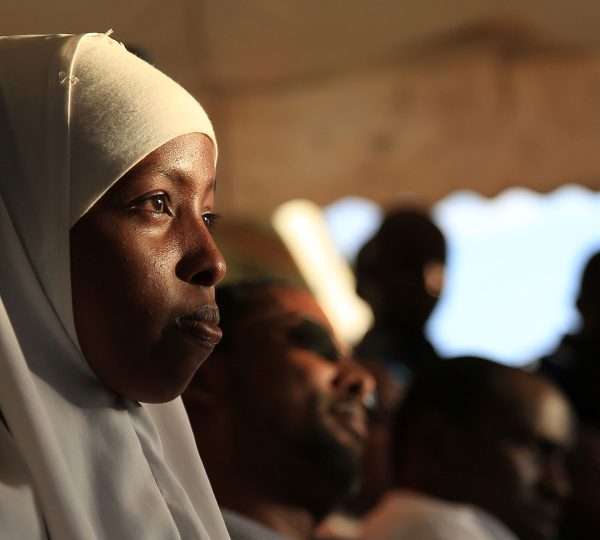
Media Production Role in Humanitarian Aid Development – SMDC
The Role of Media Production in Humanitarian Aid Development
Most non-governmental organizations are today investing in media production to grow their strategies and operations.
Here are 7 main roles of media production that the Star Media Development Centre will use to achieve the Humanitarian Aid Development sector.
1. Advocacy Communication and Awareness
With digital media, disaster response teams will raise awareness about social issues, environmental concerns, and human rights violations with ease. Different humanitarian aid organizations can educate their audience using pictures, videos, and stories. This ensures they become better at championing their cause.
2. Increased Reach
Both videography and photography provide nonprofit organizations with a better platform for reaching a wider audience. They enable such organizations and businesses to reach and get beyond what the traditional techniques were not. With these, nonprofits can comfortably take part in community engagement activities from different locations thus making it easier for them to spread their messages and reach a wider audience.
3. Real-Time Communication
The use of digital media has made it possible for most organizations to respond to different stakeholders quickly. Sharing updates, responding to inquiries, and solving issues has been made much faster. This has in turn helped in building trust and improving transparency within the community.
4. Community Engagement
Most organizations are today using media for social change. The use of social media enables them to interact with different audiences, create groups, and host discussions. The engagement levels social media platforms offer help in creating a sense of belonging and strengthening relationships.
5. Impact Measurement and Social Impact Storytelling
Practicing peace journalism will provide organizations with an excellent platform to showcase their projects. They will be able to tell their stories using different media platforms.
Humanitarian aid teams can also demonstrate the progress they are making and success stories with ease. Investing in the right peace communication strategies will help attract new supporters.
6. Advocacy of Media for Peace
Nonprofits are today using media production tools to advocate for changes in policy and influence decision-makers. Most organizations are using social media platforms to share data and mobilize public support. The media platforms are also being used to put pressure on relevant authorities to address issues.
7. Learning and Feedback
With strategic communication, nonprofit organizations can collect ideas, insights, and feedback with ease. These organizations can also understand the needs of their audience through comments and surveys.
The type of feedback they receive will help them in making decisions and coming up with better communication strategies in emergencies.
Conclusion
Non-profit organizations are today able to create great content on different platforms thanks to the dynamic and multifaceted media production nature. By getting to know what media production entails, and knowing all the essential skills and tools, humanitarian teams are finding it easier to create great content.
As an organization looking to reach the interior parts of Kenya, Somalia, and Ethiopia, Star Media Development Centre (SMDC) will help make your media production efforts get to your target audience. Contact us today and let us work together on any project that can make a difference in the targeted societies.
